Discover the Eight Principles
Everything changes. Understanding what matters most helps you make better decisions.
1. & Understanding

The first step is understanding your story, your body and your goals.
2. & Moving
Movement is medicine—but only when it is the right movement at the right time.3. & Recovering
Recovery isn’t passive. Sleep, light, loading, nutrition and time all matter.4. &Sitting
Small changes to posture and workspace can reduce unnecessary strain.
5. & Eating

Good nutrition supports healing, energy and long-term health.
6. & Meeting
Conversation, community and shared experiences improve wellbeing.7. & Environment
The spaces around us influence how we think, move and feel.8. & Purpose
Having something meaningful to work towards improves resilience and quality of life.The Balanced Integration Method
The framework behind Present & Perfect.
A multi-disciplinary approach combining osteopathic principles, Tai Chi and integrated therapies to restore posture, movement and balance.
Balanced Integration™ is a way of thinking about structure and function. It recognises that pain is rarely isolated.It reflects adaptation — over time. Rather than treating symptoms alone, we observe patterns. Posture.Breath.Load.Movement habits.Stress response.
An MSK-led movement system for modern longevity.
Grounded in musculoskeletal science.
Expanded through breath, coordination, rhythm, and adaptive training.
Designed for people who want to stay capable — not dependent
Designed for Modern Working Bodies

Bridging Eastern and Western Approaches
“The Balanced Integration Method combines:”
Structural principles— structure, alignment and function
Tai Chi — controlled movement, balance and flow
Alexander Technique — awareness and coordination
Complementary therapies — fascia work, somatic support and practitioner-led variation
Rather than relying on a single modality, this approach adapts to the individual.
“How the Model Works”
Balanced Integration™ does not isolate parts of the body.
It considers structure, coordination and load together.
Movement is viewed as an interaction between:
• Musculoskeletal capacity
• Neurological adaptation
• Breath and rhythm
• Environmental demand
Rather than chasing symptoms, the system builds structural tolerance and coordinated response.
The aim is not correction.
The aim is capability.
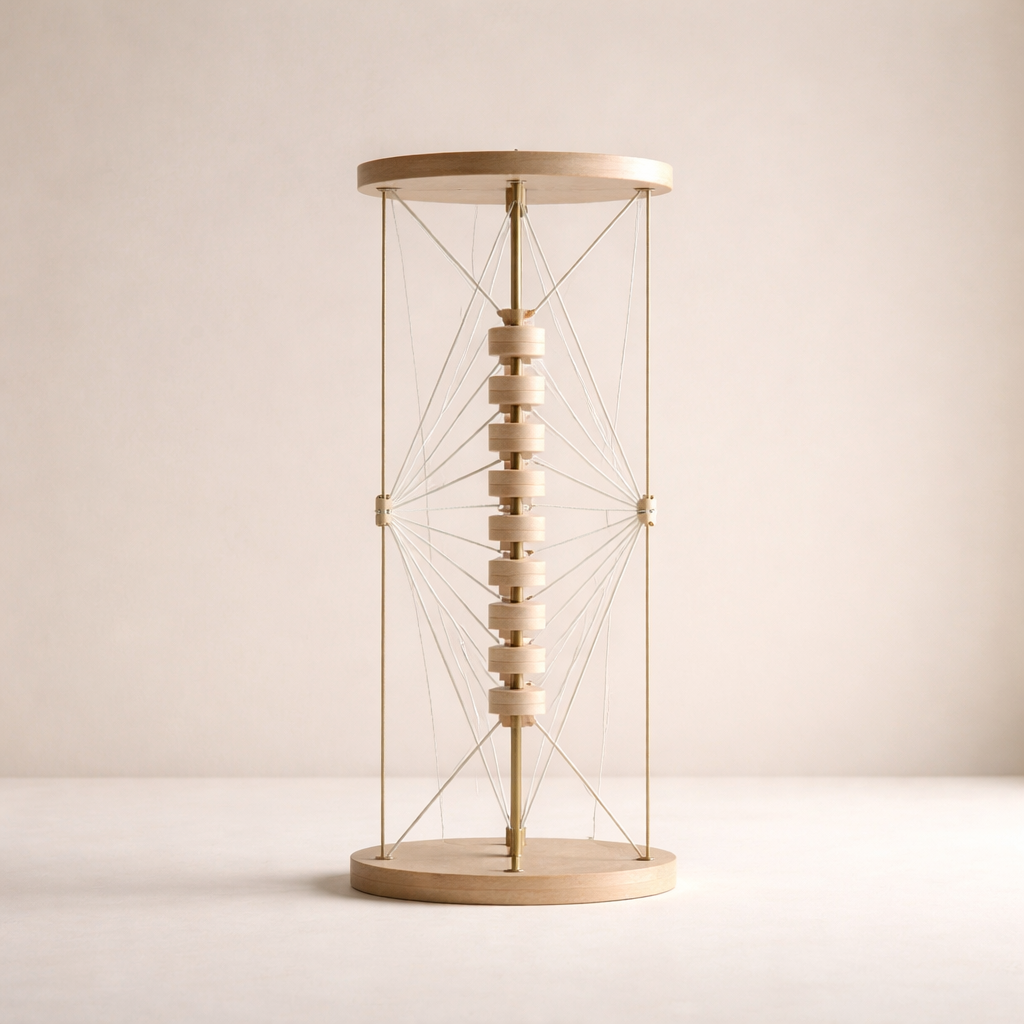
The Body’s Continuous Web
A living architecture of connection
Fascia is the body’s continuous connective tissue network.
It surrounds muscles, organs, nerves, and bone — linking structure into one responsive system.When fascia loses adaptability through stress, injury, or posture, movement becomes restricted.
Tension accumulates. Compensation patterns form.
Balanced Integration works through this web — restoring coherence rather than chasing isolated symptoms.
The Three Core Observations
Posture
Structure under gravity.
The visible pattern of adaptation.
Breath
How the nervous system regulates demand.
State before strategy.
Load
Stress over time.
Capacity, tolerance, recovery.
Recovery
Recovery is more than treatment.
Breath, movement, awareness,
Modern recovery tools can support well-being and resilience.
Breath & Movement
Reset and regulate
Move well. Stay capable.
Modern recovery technology and awareness tools.
Understand more. Recover differently.
The Balanced Integration™ Model
Structural Principles
Understanding alignment, load distribution and musculoskeletal capacity as the foundation of movement.
Coordinated Adaptation
Integrating breath, rhythm, balance and strength into practical daily function.
Long-Term Resilience
Developing composure under load and the ability to remain capable over decades.